Blog
Contents
The verdict
Which booking site to use for Japan: Agoda vs Booking.com vs Trip.com vs Klook
Where your money actually goes
Full cost breakdown by tier
Flights: Sydney and Melbourne to Japan in 2026
Accommodation: Tokyo, Kyoto, Osaka in 2026
Food: what you actually eat for 10 days
Transport: JR Pass or pay-as-you-go?
Activities and entry fees: what's worth paying for
The three cost traps that push Australians past AUD 8,000
Matching your tier to your trip
When these numbers do NOT apply
When to book
Where Cashback fits
Frequently asked questions
Key takeaways
Plan your Japan trip deeper
Sources
Disclaimer
Blog
How Much Does a 10-Day Japan Trip Cost from Australia in 2026?

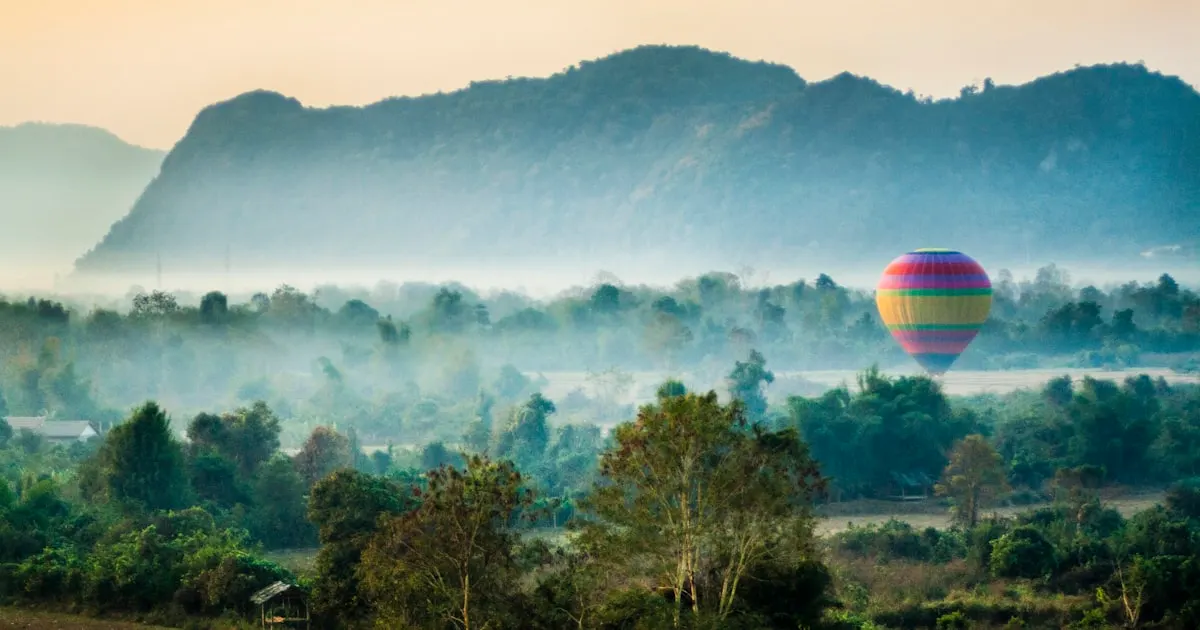
A 10-day Japan trip from Australia in 2026 costs AUD 2,800 to 12,400 per person including flights and hotels. Itemised by tier for Tokyo, Kyoto and Osaka.
Updated: October 2026
Primary sources referenced: Japan Rail Pass official, Japan National Tourism Organization Australia, Qantas Japan routes, ANA Australia, Skyscanner Australia.
Two Australians book the same 10 days in Japan. One pays AUD 2,800 total, the other pays AUD 12,400. Same three cities, same duration, roughly the same seats and rooms available. If you are reading this between 5 October and 4 November 2026, you are inside the booking window for the two cheapest Japan periods of the next six months: late October to mid-November (shoulder, 2 to 5 weeks out) and February 2027 (off-peak, 16 to 20 weeks out). The decision this guide helps with is not whether Japan is affordable but which booking site to lock each component through. Use ShopBack to compare Agoda, Booking.com and Trip.com on your dates, then book from whichever wins.
💡 Price your Japan dates on Booking.com through ShopBack, then check Agoda and Expedia the same way.
The verdict
For Australian travellers on a 10-day Japan trip in 2026 covering Tokyo, Kyoto, and Osaka:
| Tier | Per person total (AUD) | Who this is |
|---|---|---|
| Budget | 2,800 to 4,200 | Solo or friends, hostels and business hotels, konbini and ramen counters, IC card only |
| Mid-range | 4,800 to 7,600 | Couple, 3-star to 4-star hotels or ryokan for 1 to 2 nights, mix of sit-down and street food, JR Pass |
| Comfort or luxury | 8,500 to 12,400 | Couple, boutique or 5-star hotels, kaiseki dinners, private guides, first-class transfers |
Return flights included, departing from Sydney or Melbourne. These are indicative 2026 ranges; fares and room rates move daily. Peak windows (cherry blossom late March to mid-April, Obon in mid-August, Christmas or New Year) add AUD 400 to 900 per person on flights alone.
Run the ShopBack Travel Planner or open the Travel category in the app to compare flights, hotels, and activity brands in one view before committing to a booking.
Which booking site to use for Japan: Agoda vs Booking.com vs Trip.com vs Klook
The honest answer depends on which part of the trip you are booking. Agoda and Booking.com split the hotel market in Japan by property type, Trip.com is the one of the three that also sells flights and Shinkansen tickets, and Klook is where the sold-out activity tickets live.
| Pick | Best for | When it is cheapest | Cashback path |
|---|---|---|---|
| Agoda | Business hotels and capsule stays in Tokyo and Osaka, app-only member rates | Weekday stays booked 6 to 10 weeks out | Activate ShopBack, then shop Agoda |
| Booking.com | Kyoto ryokan and boutique stays with free cancellation | Shoulder months, 8 to 12 weeks out when the Kyoto inventory is still open | Activate ShopBack, then shop Booking.com |
| Trip.com | Bundling flights, hotels and Shinkansen tickets in one account | Off-peak flight windows (February, early June, late October), 10 to 14 weeks out | Activate ShopBack, then shop Trip.com |
| Klook | teamLab, Ghibli Museum, Universal Studios and day-trip passes | As soon as tickets release, usually 4 to 8 weeks out | Activate ShopBack, then shop Klook |
Use ShopBack to compare Agoda, Booking.com and Trip.com on the same Kyoto dates the day you book, then buy from whichever wins.
Where your money actually goes
Flights from Sydney, Melbourne, or Brisbane to Tokyo (Haneda or Narita) or Osaka (Kansai) cost AUD 750 to 2,400 return and represent 25% to 35% of your total. Accommodation is the second-biggest line: a mid-range Tokyo or Kyoto hotel runs AUD 180 to 320 per night for a twin, totalling AUD 1,600 to 2,800 across 9 nights. Everything else (food, transport, activities) is a controllable variable.
Skimping on accommodation location saves the most money. Skimping on food or activities rarely changes the experience in a country where a AUD 15 ramen is genuinely excellent.
Full cost breakdown by tier
| Category | Budget (AUD) | Mid-range (AUD) | Comfort or luxury (AUD) |
|---|---|---|---|
| Return flights (SYD or MEL to NRT, HND, or KIX) | 750 to 1,050 | 1,050 to 1,600 | 1,600 to 2,400 |
| Accommodation (9 nights) | 550 to 900 | 1,600 to 2,800 | 3,500 to 6,500 |
| Food (10 days) | 400 to 600 | 700 to 1,100 | 1,300 to 2,200 |
| Local transport plus JR Pass | 180 to 280 (IC card only) | 600 to 750 (7-day JR Pass plus IC) | 900 to 1,400 (private transfers) |
| Activities and entry fees | 200 to 350 | 400 to 700 | 800 to 1,600 |
| SIM, insurance, misc | 120 to 200 | 180 to 300 | 250 to 400 |
| Total per person | 2,200 to 3,380 | 4,530 to 7,250 | 8,350 to 14,500 |
| Practical target | 2,800 to 4,200 | 4,800 to 7,600 | 8,500 to 12,400 |
Flights and accommodation together account for 55% to 65% of the total regardless of tier. Those two categories are where the AUD 2,800 to 12,400 spread actually lives.
💡 Check Japan hotel prices on Agoda through ShopBack before you book anywhere else.
Flights: Sydney and Melbourne to Japan in 2026
Return economy fares from the Australian east coast to Tokyo (Narita or Haneda) or Osaka (Kansai) typically fall in these ranges through 2026:
| Route | Off-peak (AUD) | Shoulder (AUD) | Peak (AUD) |
|---|---|---|---|
| Sydney to Tokyo (Qantas, ANA, JAL, Jetstar) | 750 to 950 | 1,050 to 1,400 | 1,600 to 2,400 |
| Melbourne to Tokyo (Qantas, ANA, Jetstar) | 780 to 1,000 | 1,100 to 1,450 | 1,700 to 2,500 |
| Brisbane to Tokyo (Qantas, ANA via Sydney) | 850 to 1,050 | 1,150 to 1,500 | 1,750 to 2,600 |
| Sydney or Melbourne to Osaka (Jetstar direct, ANA, JAL) | 780 to 980 | 1,050 to 1,400 | 1,600 to 2,300 |
| Any east-coast city via Singapore or Hong Kong (Singapore Airlines, Cathay Pacific) | 900 to 1,200 | 1,300 to 1,700 | 1,900 to 2,700 |
Off-peak windows: February, early to mid-June, late October to mid-November. Shoulder: January, late April, May, September, early October. Peak: mid-March to mid-April (cherry blossom), mid-July to August (school holidays plus Obon), late December.
Jetstar's Melbourne to Osaka direct is typically the cheapest single option for east-coast travellers, but the schedule (overnight departure) is a real trade-off. Qantas and ANA fly to Tokyo Haneda, which is closer to central Tokyo than Narita.
Accommodation: Tokyo, Kyoto, Osaka in 2026
A typical 10-day loop stays 4 nights in Tokyo, 3 nights in Kyoto, and 2 nights in Osaka. Prices per night for a twin room:
| Style | Tokyo (AUD) | Kyoto (AUD) | Osaka (AUD) |
|---|---|---|---|
| Hostel dorm or capsule | 40 to 70 | 45 to 80 | 40 to 65 |
| Business hotel (APA, Toyoko Inn, Sotetsu Fresa) | 110 to 180 | 130 to 200 | 100 to 160 |
| 3-star to 4-star boutique | 220 to 380 | 240 to 400 | 200 to 340 |
| Ryokan (traditional, includes breakfast) | 350 to 700 | 380 to 900 | 300 to 550 |
| 5-star (Aman, Palace Hotel, Ritz-Carlton, Mandarin Oriental) | 900 to 2,400 | 900 to 2,200 | 700 to 1,600 |
Book 8 to 12 weeks ahead for mid-range hotels in Kyoto specifically. Kyoto has fewer rooms than Tokyo or Osaka and sells out on cherry blossom dates by early January.
Food: what you actually eat for 10 days
Japan is one of the few destinations where budget-tier food is genuinely great. A quick summary of typical daily food spend:
| Tier | Per day (AUD) | What it looks like |
|---|---|---|
| Budget | 35 to 55 | Konbini breakfast (7-Eleven, Lawson, Family Mart), ramen or curry rice lunch, gyudon or udon dinner |
| Mid-range | 55 to 95 | Cafe breakfast, sushi conveyor or set lunch, izakaya or ramen dinner, one specialty meal |
| Comfort | 95 to 200 | Hotel breakfast, sit-down lunch, kaiseki or omakase dinner every 2 to 3 nights |
| Luxury | 200 to 500 | Every meal at a rated restaurant, one Michelin-star night, private kaiseki |
A 10-day trip lands at AUD 400 to 2,200 per person on food depending on tier. Budget travellers can eat well for under AUD 50 a day, which is not true in most Asian capitals now.
Transport: JR Pass or pay-as-you-go?
The Japan Rail Pass (JR Pass) is only worth it if you cover multiple cities. Rough break-even math at time of writing:
- Tokyo to Kyoto Shinkansen one-way: about AUD 145 to 160
- Kyoto to Osaka Shinkansen or JR local: about AUD 15
- Osaka to Tokyo Shinkansen one-way: about AUD 145 to 160
Total point-to-point for a Tokyo to Kyoto plus Osaka loop: around AUD 310 to 340.
A 7-day JR Pass at time of writing runs AUD 550 to 600. It only pays back if you add a side trip (Hiroshima, Nagoya, Nikko) or upgrade to Green Car. For most standard 10-day Tokyo plus Kyoto plus Osaka trips, buying individual Shinkansen tickets plus a Suica or Pasmo IC card is cheaper. Confirm exact JR Pass pricing on the Japan Rail Pass site before deciding.
Local transport inside each city runs AUD 8 to 15 per day on the IC card.
Activities and entry fees: what's worth paying for
Most Japan activities are cheap or free. Temples and shrines charge AUD 5 to 12. Museums charge AUD 15 to 30. Anime and pop-culture experiences (teamLab Planets, teamLab Borderless, Ghibli Museum) charge AUD 40 to 70 and sell out weeks ahead.
Budget for AUD 30 to 100 per day on activities depending on tier. Reserve teamLab and Ghibli Museum tickets on Klook or the official site before you fly. Sumo tournament tickets (January, May, September in Tokyo) run AUD 50 to 180. Day trips to Nikko, Hakone, or Kamakura on the private railway lines run AUD 50 to 120 per person.
The three cost traps that push Australians past AUD 8,000
Most Australians who overspend on Japan do it the same three ways.
- Booking flights inside 8 weeks. Return fares from Sydney or Melbourne routinely double inside the 8-week window on peak dates. The same seat that was AUD 950 in February booking for May is AUD 1,800 in April booking for May.
- Booking Kyoto accommodation last. Kyoto has less inventory than Tokyo or Osaka. Booking Kyoto after the other two locks you into whichever hotel is left at whichever price. Book Kyoto first, then work outward.
- Buying a JR Pass by default. The pass used to be cheaper. Since the October 2023 price rise, it only pays back on itineraries that add Hiroshima, Nagoya, or multiple day trips. A single Tokyo to Kyoto plus Osaka round-trip is cheaper without it.
These three traps combined explain almost the full AUD 3,000 gap between a well-planned mid-range trip and a poorly planned one at the same tier.
Matching your tier to your trip
Match your accommodation tier to trip purpose, not to income.
| Scenario | Accommodation priority | Activity priority | Reason |
|---|---|---|---|
| First Japan trip | Medium | High | Museums, teamLab, temples earn the memory |
| Honeymoon or anniversary | High (ryokan for 2 nights) | Medium | The ryokan experience is the trip |
| Family with kids | Medium (adjoining rooms) | High | Kid-friendly museums and Ghibli anchor the days |
| Solo food trip | Low to medium | Low to medium (skip guided tours) | Eating well is cheap; the trip is the meals |
| Business plus leisure | High (central Tokyo) | Low | Location matters more than sightseeing volume |
A couple travelling mid-range can do 10 solid days in Japan for AUD 9,600 to 15,200 total (AUD 4,800 to 7,600 per person), assuming a business hotel plus one ryokan night, Qantas or ANA return, JR Pass plus IC card, one paid activity per day, two sit-down meals daily plus konbini snacks.
The trade-off: paying AUD 60 more per night for a hotel one train stop closer to central Tokyo (Shibuya, Shinjuku, Ueno) saves 90 minutes of transit per day. That is 15 hours across a 10-day trip.
When these numbers do NOT apply
- Cherry blossom (late March to mid-April) or autumn colours (mid-November) peaks. Add 30% to 50% across flights and Kyoto accommodation. Book 4 to 6 months ahead.
- Obon (mid-August) and Japanese New Year (late December to early January). Domestic transport (Shinkansen, domestic flights) fills up. Trips must be booked 3 to 5 months ahead.
- Skiing (Niseko, Hakuba, Nozawa). Adds AUD 800 to 2,400 per person in lift passes, gear hire, and Niseko-priced accommodation. Base ranges do not apply.
- Tokyo Disney or Universal Studios (Osaka) trips. Add AUD 250 to 550 per person for park tickets plus hotel premium.
- Multi-generation family trips with 3-star or 4-star hotels for 4 people. Room configuration in Japan (small rooms, twin bed configuration) means booking 2 rooms not 1 family suite. Add AUD 800 to 1,600 across 10 nights versus splitting one bigger room.
When to book
Off-peak flights land on ShopBack Travel Planner from about 10 to 14 weeks out. Peak flights (cherry blossom, Obon, New Year) need 16 to 24 weeks. For accommodation, Kyoto is the constraint: book Kyoto first, then Tokyo, then Osaka.
Run your exact dates on the ShopBack Travel Planner to compare live prices across Agoda, Booking.com, Trip.com, Expedia, and Skyscanner in one search. Go through ShopBack before you pay for whichever fare you book so part of the cost comes back.
Where Cashback fits
Cashback is the step after you have chosen the seller, not the reason to choose one. Decide between Agoda, Booking.com and Trip.com on price and cancellation terms for your Kyoto and Tokyo nights first, then start at ShopBack and click through to the winner. Expedia and Skyscanner follow the same path for flights.
The rest of the trip has ShopBack merchants too. Klook covers teamLab, Universal Studios and day-trip passes, Airalo covers the Japan eSIM you set up before you fly, and the luggage, travel adapters and camera gear you buy for the trip sit with Amazon Australia and JB Hi-Fi. Check ShopBack before each of those purchases, not just the hotel.
One caution. ShopBack Cashback is a separate rebate paid by ShopBack, and this article makes no claim about combining it with hotel loyalty points, airline status credits, card multipliers or store credit. The live rate is shown on each merchant's ShopBack page on the day.
Frequently asked questions
How much does a 10-day Japan trip cost from Australia in 2026?
A 10-day Japan trip from Australia in 2026 typically prices at AUD 2,800 to 12,400 per person, flights and accommodation included. Budget travellers land at AUD 2,800 to 4,200, mid-range at AUD 4,800 to 7,600, comfort or luxury at AUD 8,500 to 12,400.
Is Japan cheaper than most people think for Australians?
Once you land in Japan, daily costs are competitive with mid-range Australian city travel. The variable that pushes Japan trips over AUD 8,000 per person is almost always flights booked inside 8 weeks or peak-season accommodation. Off-peak dates in February, early June, or late October regularly show sub-AUD 900 return fares from Sydney and Melbourne.
Do I need a JR Pass for a 10-day Japan trip?
Only if you plan to move between two or more of Tokyo, Kyoto, Osaka, and Hiroshima in the same trip. A 7-day JR Pass at time of writing costs around AUD 550 to 600 and pays back on a Tokyo to Kyoto plus Osaka round-trip with a Hiroshima side trip. For simple Tokyo to Kyoto plus Osaka loops without side trips, buy individual Shinkansen tickets or an IC card and skip the pass.
What is the cheapest month to fly to Japan from Australia in 2026?
February and early June are typically cheapest, with return fares from Sydney or Melbourne falling to AUD 700 to 900. Late October and early November also run cheap. Avoid mid-March to mid-April (cherry blossom peak), mid-July to August (summer school holidays plus Obon), and late December (Christmas plus New Year).
How much cash should I take to Japan for 10 days?
Japan is still meaningfully cash-based for small shops, ramen counters, and shrines. Budget AUD 300 to 500 in yen for a mid-range 10-day trip in addition to card spend. 7-Eleven ATMs accept Australian debit and credit cards for yen withdrawals with reasonable fees.
Can I earn Cashback on a Japan trip booked from Australia?
Yes. ShopBack pays Cashback on Japan flights and hotels booked through Agoda, Booking.com, Trip.com, Expedia, and Skyscanner when you click through ShopBack first. Klook and KKday also pay Cashback on Japan tours and activities. Check the live rate on each store's ShopBack page before you book; Cashback is subject to ShopBack program terms.
Is Tokyo, Kyoto, and Osaka enough for a first Japan trip?
Yes for a first 10-day trip. Tokyo (4 nights), Kyoto (3 nights), Osaka (2 nights) plus travel days is the standard beginner loop and covers modern Japan, traditional temples and gardens, plus Osaka street food culture. Adding Hiroshima or Hakone requires trimming another city or extending by 2 to 3 days.
How can I use ShopBack when buying in this category?
Activate the ShopBack browser extension on Chrome or Edge before checkout, and the extension surfaces Cashback eligibility, coupon codes, and referral bonuses in a single popup.
When is the best time to book flights to Japan from Australia?
Book off-peak flights 10 to 14 weeks ahead for the best price shape (February, early June, late October). For peak dates (cherry blossom late March to mid-April, Obon mid-August, New Year late December), book 16 to 24 weeks ahead. Tuesday and Wednesday search sessions typically surface lower fares than weekends, and same-day price movements can swing 3 to 8 percent on the same route.
How many days does travel Cashback take to confirm on ShopBack Australia?
Travel Cashback typically posts as pending in your ShopBack account within a few days of booking and confirms after the travel completion window closes, usually 60 to 90 days after your return date. Timelines vary by merchant; the ShopBack help centre lists the confirmation window per travel partner. Keep the booking confirmation email in case the tracking dispute window is needed.
Is Japan cheaper for Australians than Korea or Taiwan?
Korea and Taiwan trend cheaper on the ground than Japan for food and accommodation (typically 15 to 30 percent less), but Australian return flights to Tokyo often price comparable to Seoul or Taipei because of Jetstar and Qantas direct capacity. For 10-day trips, expect total spend from Australia to Korea AUD 2,400 to 10,000, Taiwan AUD 2,200 to 9,500, versus Japan AUD 2,800 to 12,400 per person. Japan wins on trip diversity across cities; Korea wins on food value; Taiwan wins on overall bang-for-AUD.
How much Cashback can I earn on a 10-day Japan trip booked from Australia?
Cashback depends on which OTAs you use and their current published rates. On a mid-range AUD 5,800 trip split across Skyscanner or Trip.com for flights, Agoda or Booking.com for hotels, and Klook for activities, going through ShopBack before you pay on each booking means part of the trip cost comes back. Check the live published rate on each merchant page at shopback.com.au before booking; rates change.
Does ShopBack Australia Cashback apply on OTA mobile apps for Japan bookings?
Start from ShopBack. Open the ShopBack AU app, search the merchant, tap Shop Now, and complete the booking that opens.
Does ShopBack Snaps work with Japan travel receipts?
ShopBack Snaps rewards are set by specific in-app offers rather than by uploading generic travel receipts. Japan flight and hotel Cashback flows through the click-through path on shopback.com.au or the ShopBack Australia app, not Snaps. Follow the specific offer instructions inside the ShopBack app for any eligible Snaps offers on other retailers.
Should I book Japan hotels through Agoda, Booking.com or Trip.com for a 10-day trip from Australia in 2026?
Split it by city. Booking.com tends to hold the widest Kyoto ryokan and boutique inventory with free cancellation, which matters because Kyoto sells out first. Agoda is usually sharpest on Tokyo and Osaka business hotels, especially app-only member rates on weekday stays. Trip.com makes sense if you want flights, hotels and Shinkansen tickets in one account. Use ShopBack to compare all three on your exact Kyoto dates the day you book, then click through to the winner so the Cashback tracks.
Key takeaways
- The AUD 2,800 to 12,400 spread is real and mostly comes down to booking window, flight class, and Kyoto accommodation, not to how much you spend once you're there
- Flights over AUD 1,600 return are a signal to shift dates. Sub-AUD 900 returns still appear regularly outside peak
- Book Kyoto first because it has the tightest inventory. Tokyo and Osaka can wait
- The JR Pass is only worth it if you add Hiroshima, Nagoya, or multiple day trips
- Cherry blossom (late March to mid-April), Obon (mid-August), and New Year add 30% to 50% across every tier
💡 Book Japan flights and hotels on Expedia through ShopBack to earn Cashback on the booking.
Plan your Japan trip deeper
- Cheapest Week to Fly to Japan from Australia in 2026
- How to Buy the Cheapest Flights from Australia (2026 Playbook)
- Agoda vs Booking.com vs Trip.com for Australian Travellers in 2026
- Domestic vs International Family Holiday: What Australians Actually Spend
Sources
- Japan Rail Pass, official pricing and eligibility
- Japan National Tourism Organization Australia, travel-planning resources
Note: Flight, accommodation, food, and activity price ranges are indicative 2026 figures at time of writing. Fares move daily. Run your exact dates on the planner for live quotes before booking.
Disclaimer
The views and recommendations expressed in this article are those of the author.
Prices, rates, promotions, and availability are subject to change. Please verify details directly with the relevant providers before making any decisions. Cashback earnings are subject to ShopBack program terms. Individual results may vary.
This article is intended for general informational purposes only and should not be considered professional, financial, or travel advice.
Add ShopBack Extension
Install the browser extension for auto coupons and cashback reminders.
Download ShopBack App
Get the app to earn cashback and manage rewards on mobile.
 Scan QR or download below

Related articles

How Much Does a 14-Day Vietnam Trip Cost from Australia in 2026?
A 14-day Vietnam trip from Australia in 2026 costs AUD 1,900 to 8,400 per person including flights. Itemised for a Hanoi to Hoi An to Ho Chi Minh City loop.
The Cheapest Week to Fly from Australia to Japan in 2026 (Live Fare Windows Tracked)
The cheapest weeks to fly from Australia to Japan in 2026, with typical return fare ranges by AU hub (SYD, MEL, BNE, PER) and the planner to check your dates live.
Is It Cheaper to Fly or Drive to Tasmania in 2026? The Full AUD Breakdown
A full AUD cost and time comparison of flying versus taking the Spirit of Tasmania car ferry to Tasmania in 2026, with a clear decision rule by group size, trip length, and luggage profile.
Taiwan vs Japan vs Korea: Real 7-Day Cost from Sydney in 2026
Taiwan vs Japan vs Korea 7-day trip cost from Sydney in 2026: Taiwan is cheapest overall, Japan sits mid-range with the most to do, Korea prices in between.
When to Book International Flights from Australia 2026: Europe vs Japan vs US Timing Guide
When to book international flights from Australia in 2026: Europe 5 to 7 months out, Japan 3 to 5 months for shoulder season, the US 6 to 10 months for peak.
Shop, book trips, and play games to earn Cashback
No points, no credits. Just real cash. Withdraw to Paypal or bank account, and spend however you like.